Jien Weng

I work on reinforcement learning, information structure, and statistical modelling. Most of my interest is in cases where the informational regime changes the problem before algorithm choice does. This site collects notes, essays, publications, and smaller technical work around those interests. Some pieces are direct research outputs, some are working explanations, and some are smaller artifacts that were useful enough to keep.

Recent Blog / Essays

index

Recent Notes

index

I am a research assistant working across mathematical modelling, multi-agent reinforcement learning, and market microstructure.

My main interest is not just whether a learning algorithm works, but what kind of information the agent receives and what kind of world that information makes visible. In many of the problems I care about, what the agent observes and what the model assumes matter more than the particular update rule used to train it.

This pushes my work toward questions of regime design, credit assignment, prediction, and execution. I am also building deeper foundations in stochastic modelling and environmental modelling, partly through current wastewater treatment plant research. That is the thread connecting most of the work here, from cooperation problems in reinforcement learning to execution problems in quantitative finance and environmental systems.

Start Here

  • Bio for the short research background and current questions.
  • Notes for working explanations, derivations, and technical clarifications.
  • Blog for essays, event write-ups, and less formal pieces.

Current Work

  • Information design and credit assignment in multi-agent cooperation
  • Optimal execution with predictive alpha signals

Selected Publications

The Primacy of Information Design Over Algorithm Selection in Multi-Agent Cooperation
Jien Weng Lai, Wei Lun Tan, Ying Loong Lee, Ming Fai Chow · Under Review
Mar 2026
Abstract

A full-factorial experiment in the Public Goods Game shows that information regime and incentive strength explain 85.8% of cooperation-rate variance; algorithm choice accounts for just 3.8%. Agents with the least information cooperate most (83% vs 42% under full observation), attributable to state-space compression. TreeSHAP and Shapley-variance decomposition confirm information structure, not algorithm selection is the primary design lever for cooperation.

  • Multi-Agent Reinforcement Learning
  • Public Goods Game
  • Information Design
  • Cooperation
Jien Weng Lai · Under Review
Mar 2026
Abstract

Studies optimal trade execution strategies that incorporate predictive alpha signals, bridging market microstructure theory with practical quantitative trading. Preprint available on SSRN.

  • Quantitative Finance
  • Optimal Execution
  • Alpha Signals
  • Market Microstructure

Pet Projects

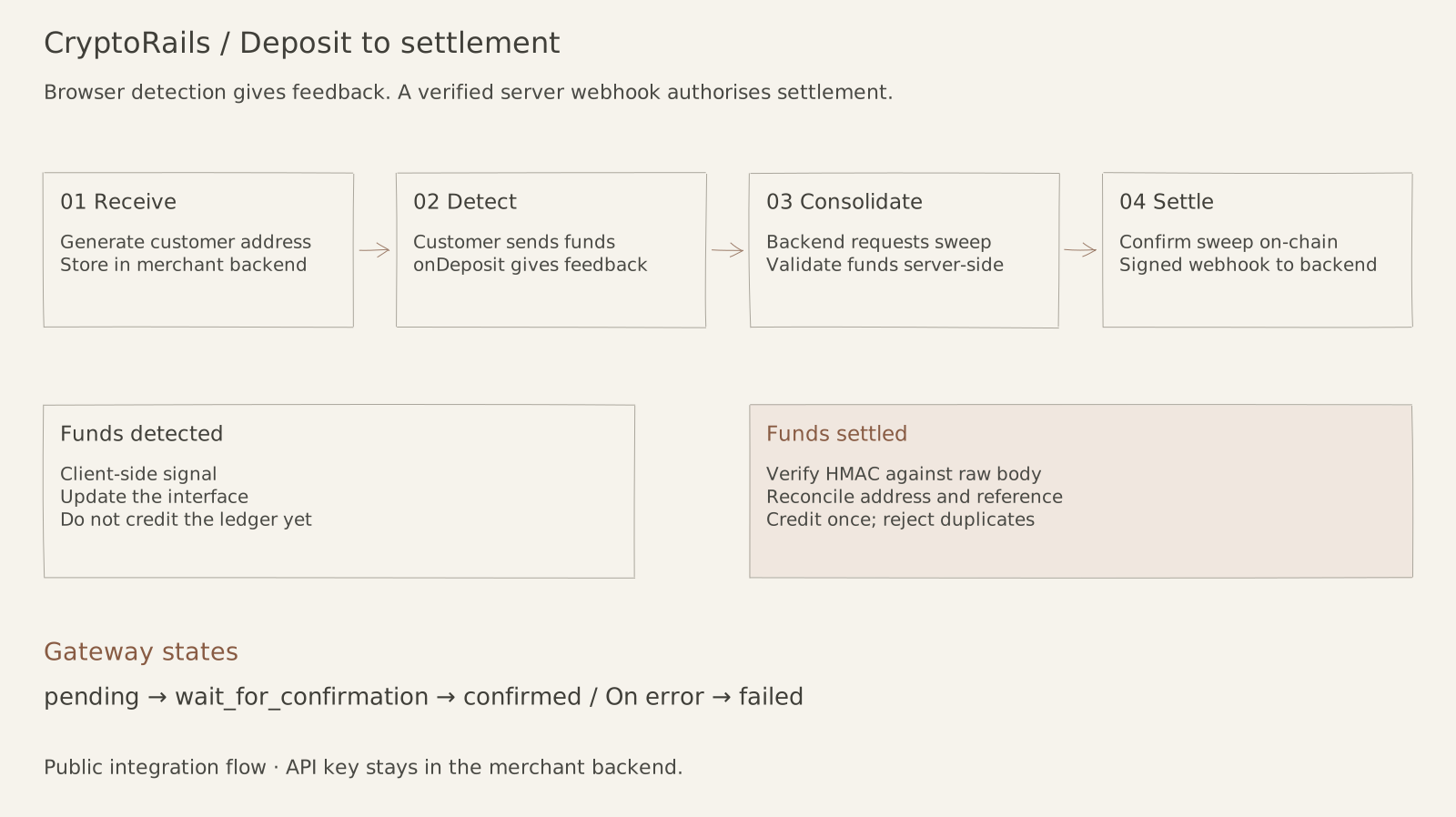
ZakatDAO
ZakatDAO
Smart-contract zakat distribution prototype.

A prototype for a more auditable zakat-distribution system. It uses smart-contract logic as the accounting and distribution layer.

FacePay
FacePay
Face-recognition payment prototype.

A small biometric-payments prototype. It tests face recognition as the identity check in a payment flow.

Yappy
Yappy
Conversational app prototype.

A small conversational application prototype. It was built to test interaction flow and lightweight application structure.

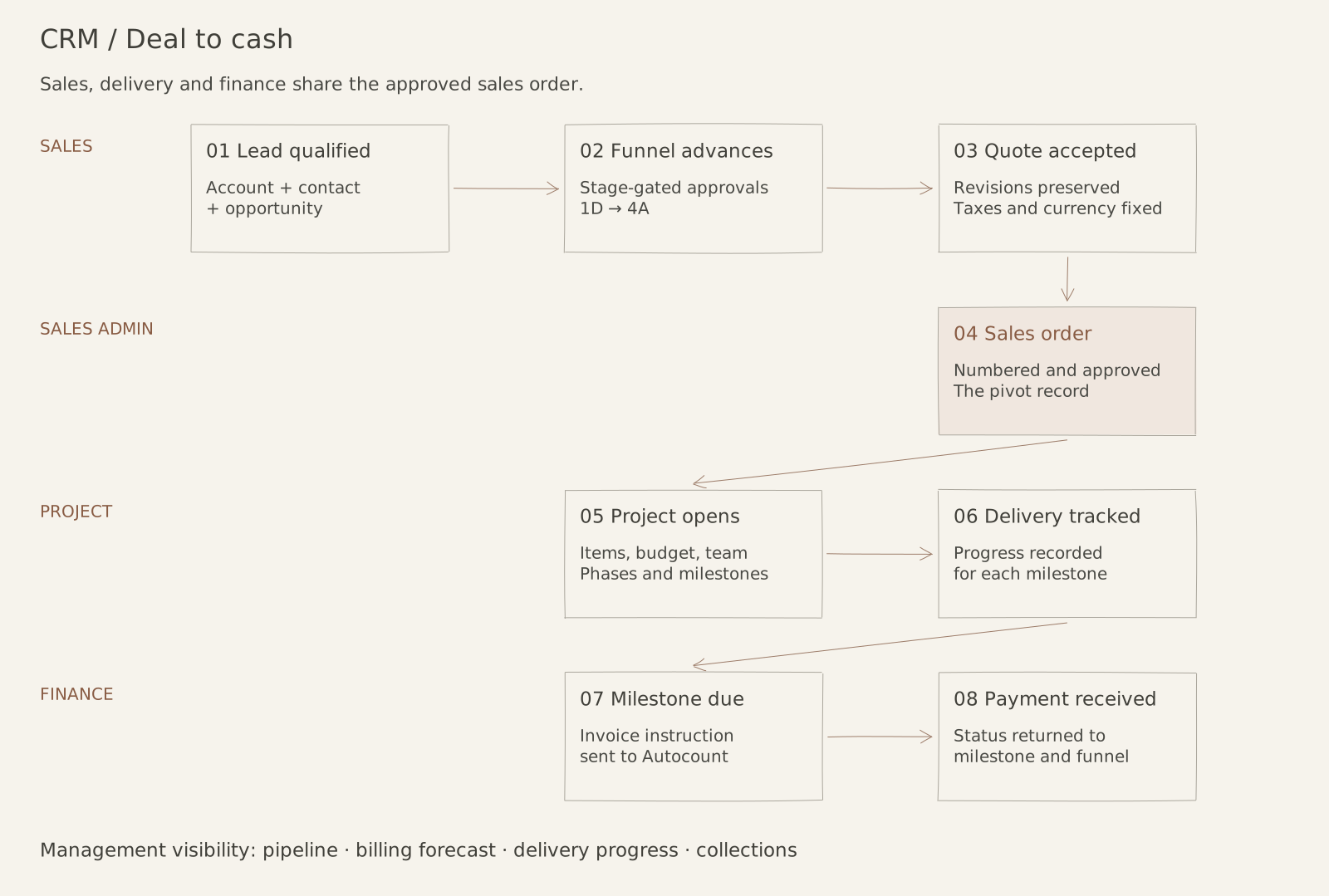
DecimalSat
DecimalSat
Ground-station and satellite build.

A small hardware build around a satellite and ground-station setup. The project includes assembly work and supporting communications pieces.

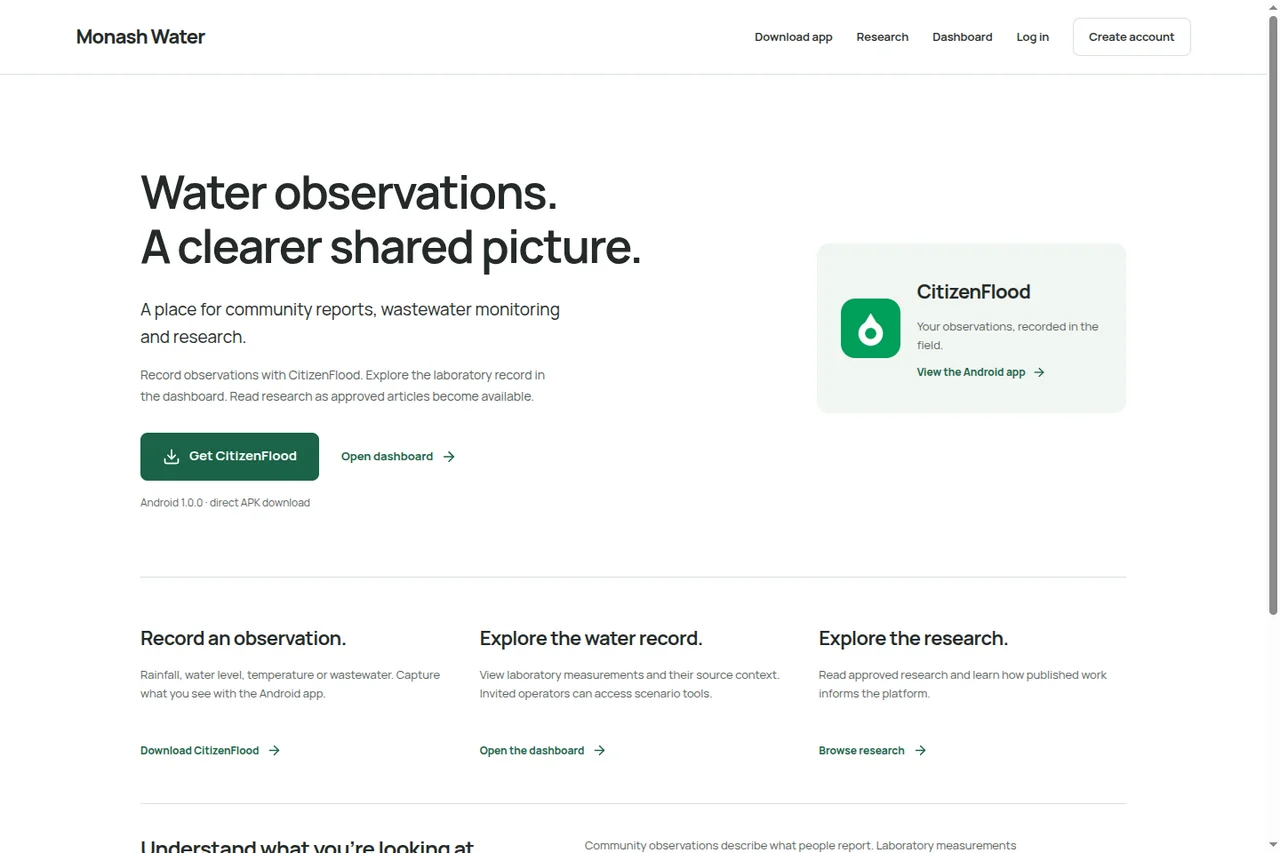
Kepler.gl (fork)
Kepler.gl (fork)
Monash geospatial analysis and open-data platform.

A Monash-linked fork of kepler.gl for geospatial analysis and open-data sharing in the Klang Valley area. The project is still in progress.